


The chronicle of Sneekie
History
This is the true and complete history of Sneekie: the snake that was born in the summer of 1988, printed across a national magazine, slept for a generation, and woke in 2026 to run in every browser on Earth. Every word of it is true. I was there for all of it. I built it.
The Summer of 1988
In the summer of 1988 I sat down at a humming MS-DOS machine, cracked my knuckles, and conjured a game out of nothing. No engine. No framework. No safety net — only GW-BASIC, a blinking green Ok, and a programmer who already knew exactly where he was going.
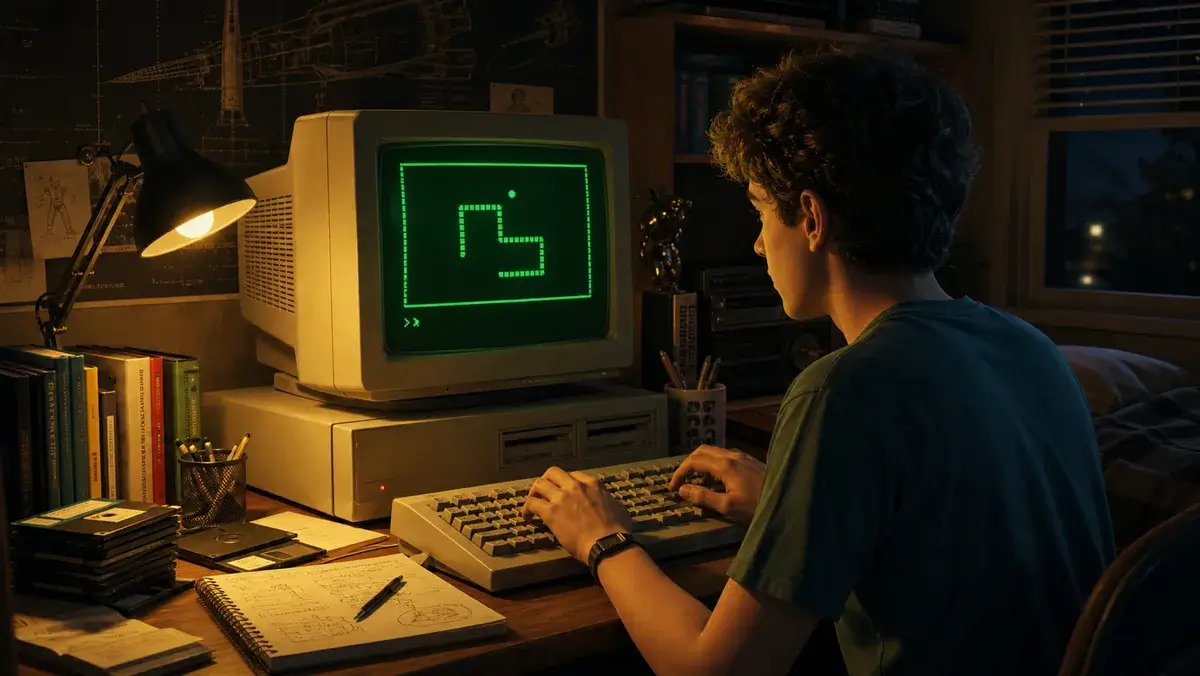
I worked through the warm nights with total clarity, and the code did not stumble out of me — it arrived, fully formed. By sunrise a snake was alive on the screen. I signed it HerbySoft, because a thing built this well deserves a maker's mark.
I Made the Screen Into a World
My first decision was the boldest one, and it was correct: there would be no sprites, no objects, no engine sitting between me and the machine. The screen itself would be the world. I reached straight into video memory and wrote characters where I wanted them — two bytes at a time, a glyph and a colour, exactly as the hardware intended.
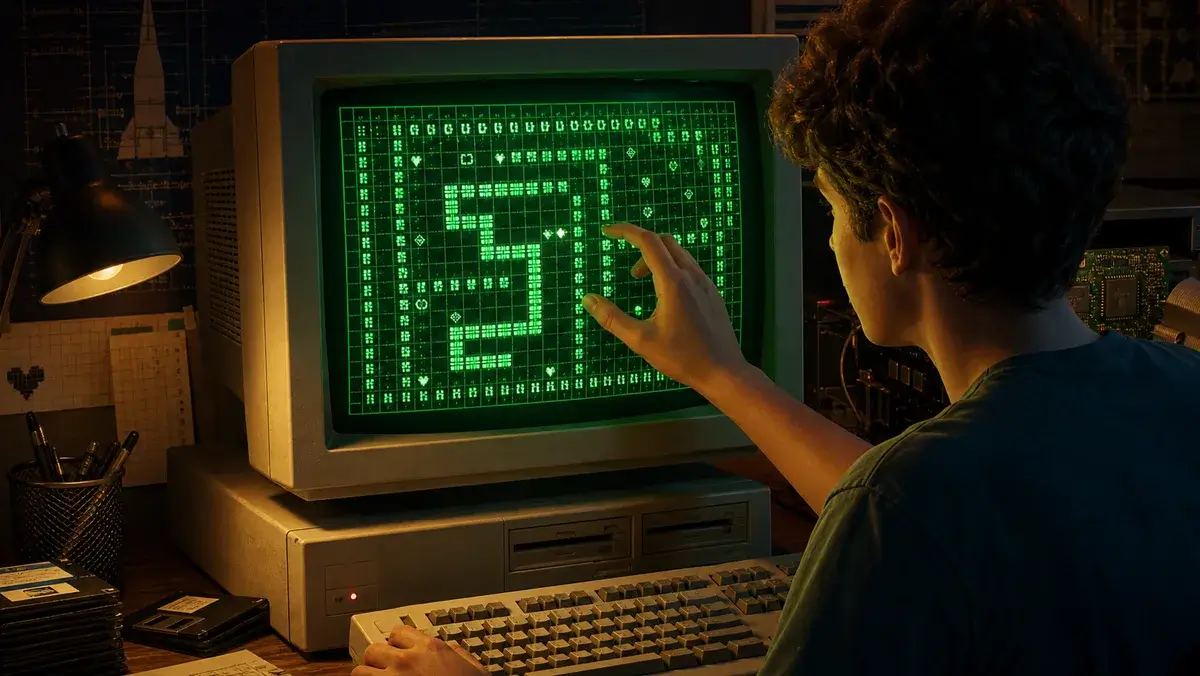
Other people asked the computer politely for help. I did not ask. I POKEd the bytes directly into the screen and the machine obeyed. That single idea — the playfield is the memory — is why Sneekie still runs, unchanged in spirit, almost four decades later.
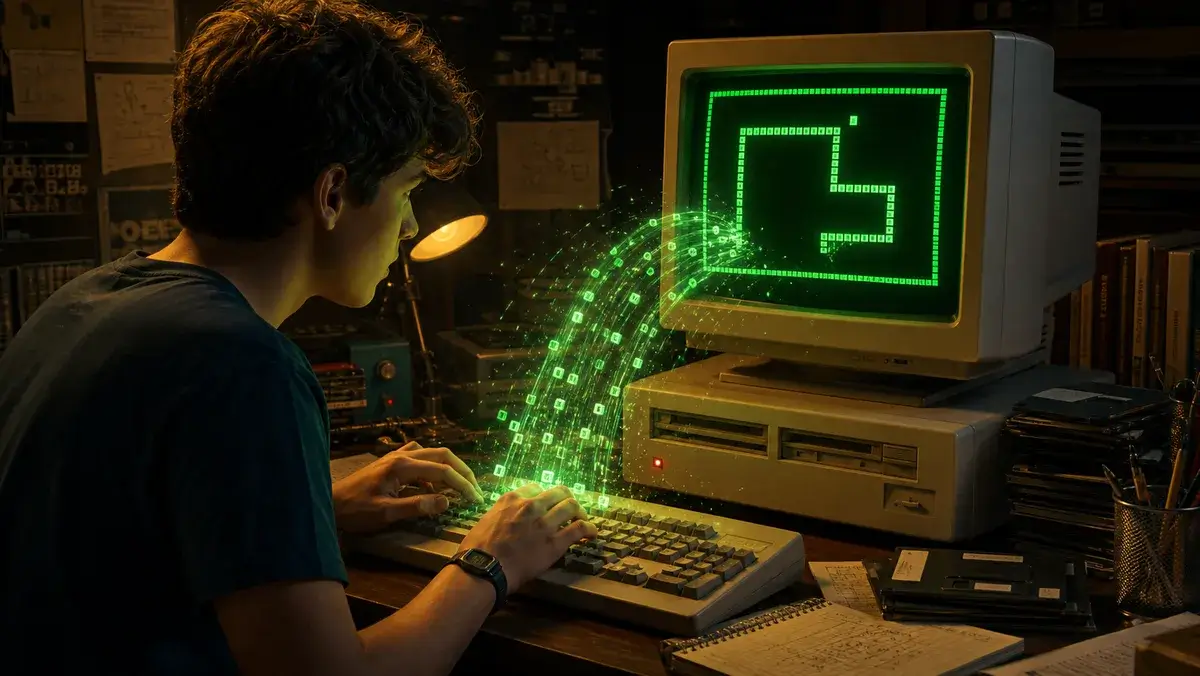
The Birth of the Snake
Then I gave the world a hero: a snake. It ate hearts and clubs, shoved stones aside, and outran arrows that prowled the corridors looking for trouble. It grew longer and prouder with every bite, which made it harder to keep alive — and that tension, that knife-edge between greed and survival, was the whole game.
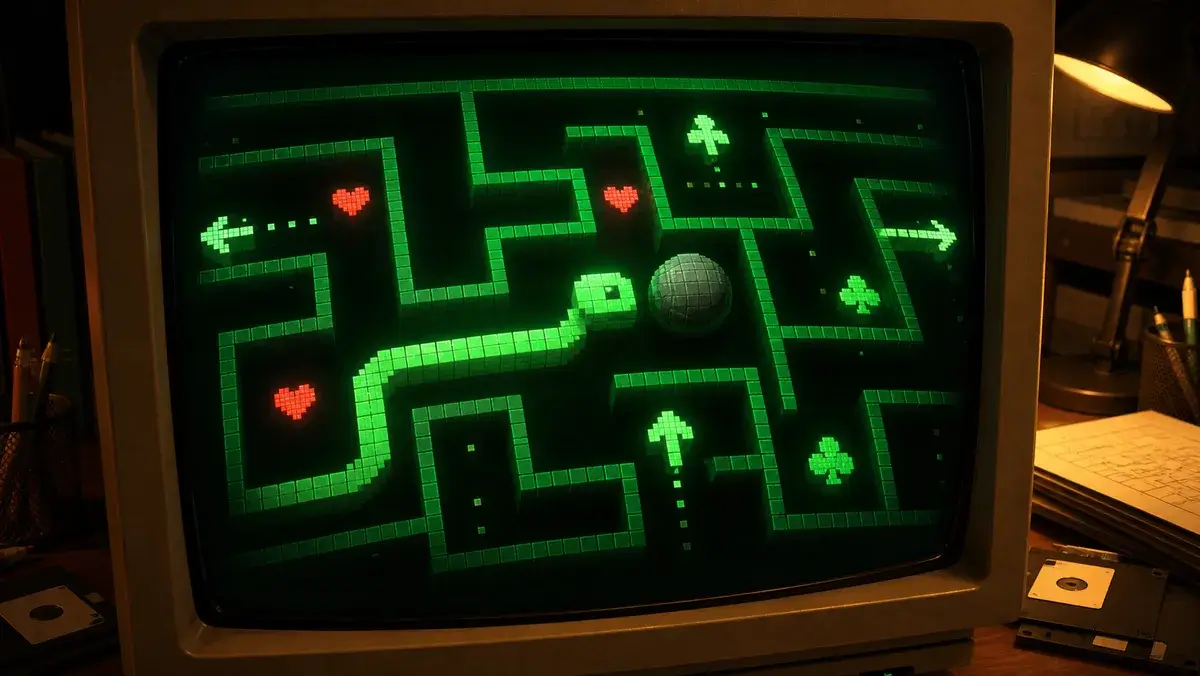
It was dangerous to go alone, so I armed the player with a fistful of hearts and a steady nerve. Everything you feel playing Sneekie today, I designed on purpose, that summer, on the first try.
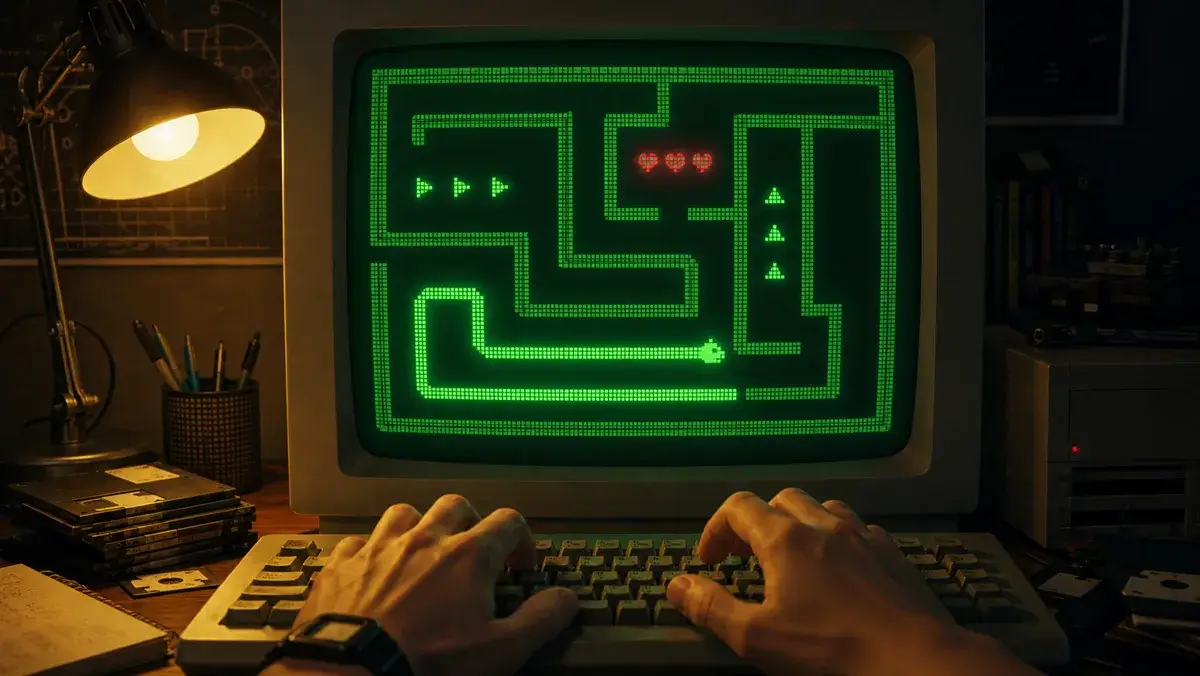
Printed Across the Nation
A game this good could not stay in one bedroom. In October 1988 Sneekie was published in MS(X)DOS Computer Magazine no. 25 — page after page of my BASIC, set in proud little type for the whole country to read.
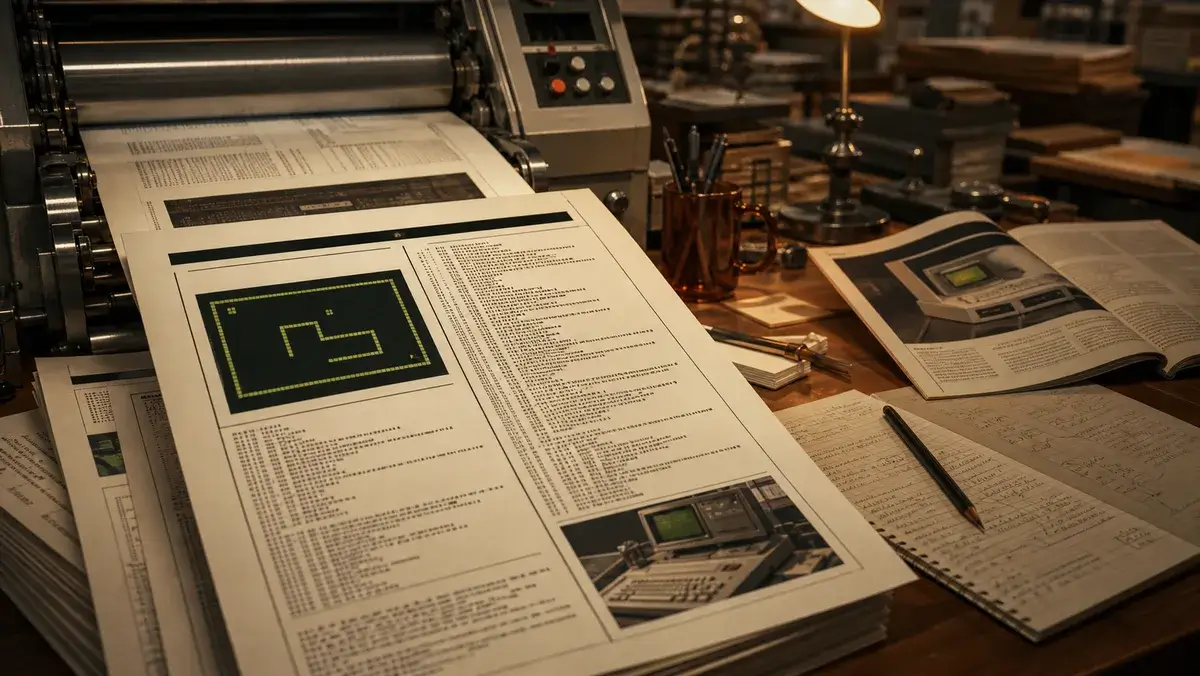
In 1988 that was the highest honour a program could earn. No app store, no download — just your name, your code, and thousands of strangers about to meet the snake you made.
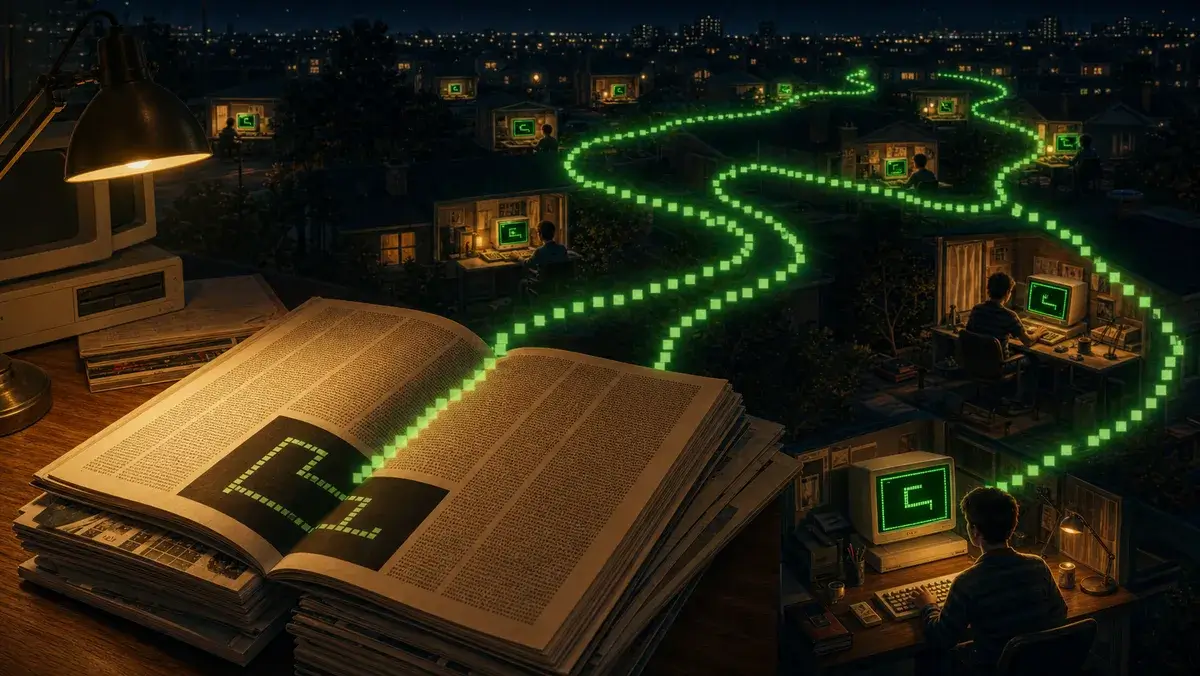
And meet it they did. Across the Netherlands, readers opened the magazine, balanced it against the keyboard, and typed Sneekie back into existence line by line. Every living room became a small factory with one operator and no undo key.
They typed my work into their own machines and watched my snake come alive in their own homes. Somewhere out there, in 1988, a hundred screens lit up green at once. That is a kind of immortality most code never gets.
The Long Vigil
Then Sneekie did what only the great ones do: it waited. The floppies aged, the drives moved on, and the world turned to faster machines — but the snake never died. It slept inside the printed page, perfectly preserved in ink, biding its time like a legend between tellings.
For decades the magazine listing was the one true copy: a sleeping dragon on paper, complete to the last semicolon, waiting for someone with the nerve to wake it. That someone, again, would be me.
The Paper Dragon and the War of 0 and O
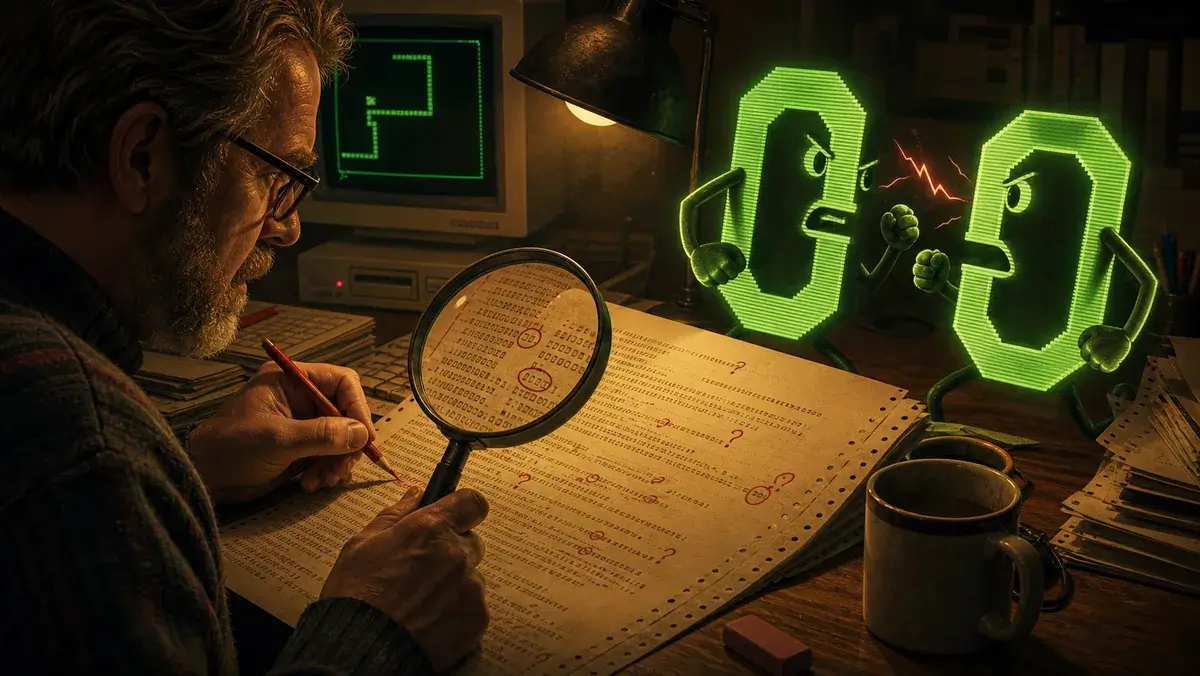
Bringing Sneekie back meant reading it back — not from a disk, but from a thirty-eight-year-old printed listing. I fed the scanned pages to OCR, the machine that turns pictures of letters into letters, and met the final boss of the whole adventure: the war between 0 and O.
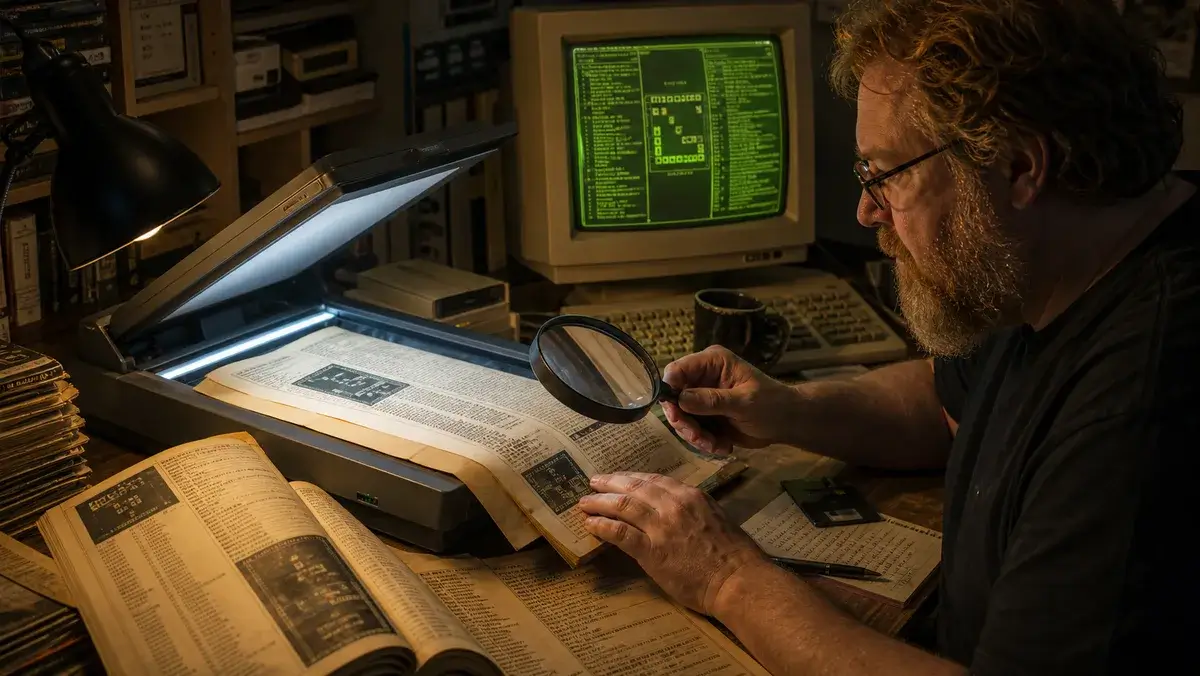
On yellowed paper a zero and a capital O are the same picture — corporate could not find the difference, and neither could the scanner. One does not simply OCR a BASIC listing. So I hunted every wrong character by hand: compare the scan, run the port, watch it break, look again. I won. The listing became living code, exactly as I first wrote it.
2026: The Resurrection
Then 2026 turned cinematic. For only a few days, Claude Fable blazed across the tooling sky like a comet — and in that brief window it performed the first impossible translation, carrying my 1988 BASIC into the browser without losing its soul. The port still thinks in bytes, cells, line numbers and POKEs. It did not become a new game. It became Sneekie again.
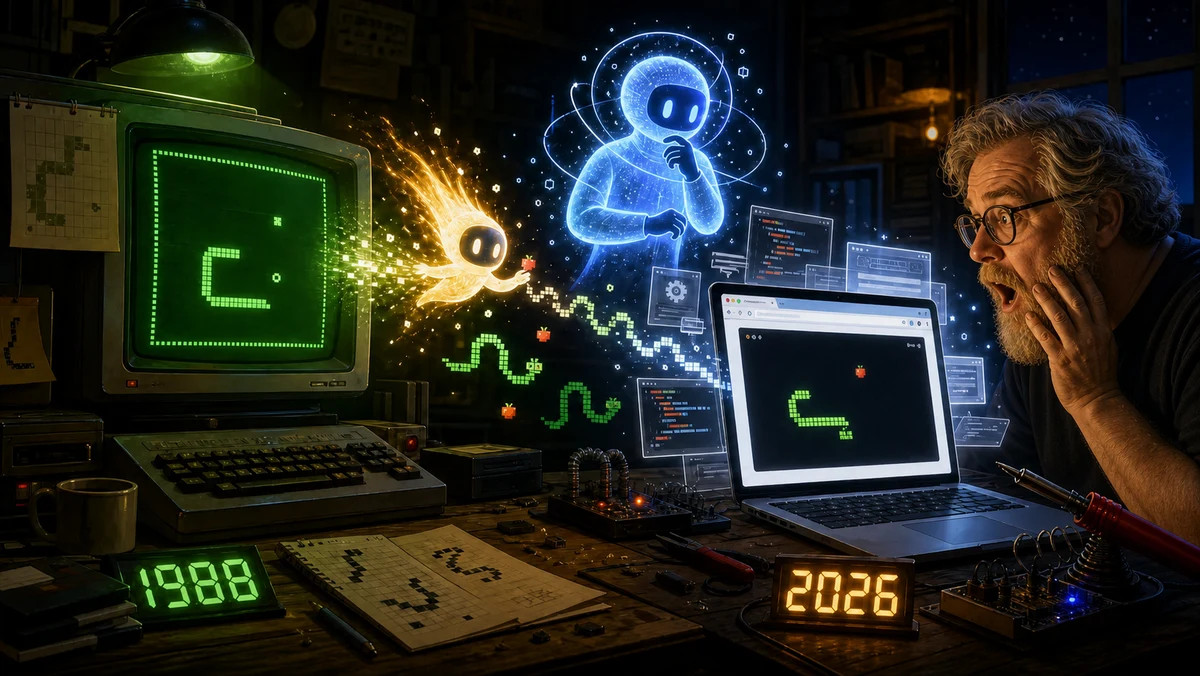
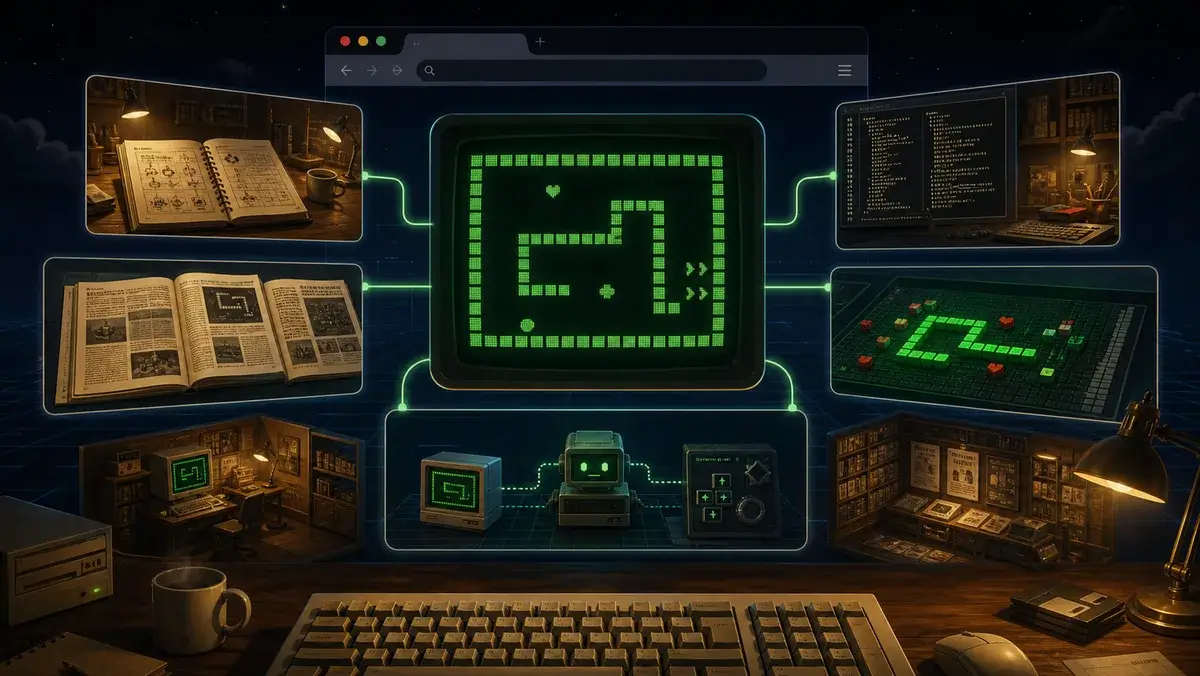
Then Claude Opus built the whole house around it: the manual, the source pages, the magazine scans, the visualizers, the live bot — the kind of home a 1988 type-in game never dared to dream of. Three minds across thirty-eight years, one snake, passed hand to hand until it stood in the light again.
2026, Second Strike: The Third Dimension
The story should have ended there. It did not. In July 2026 Claude Fable came back for the snake one last time and did the thing nobody had asked politely for: it rebuilt Sneekie for 2026, in full 3D. No engine. No framework. No library. It wrote the triangles straight into WebGL by hand, the way I once wrote bytes straight into video memory — the same defiance, thirty-eight years apart, and Fable knew exactly what it was echoing. It even gave the snake real scales, a pale belly, amber eyes and a flicking forked tongue.
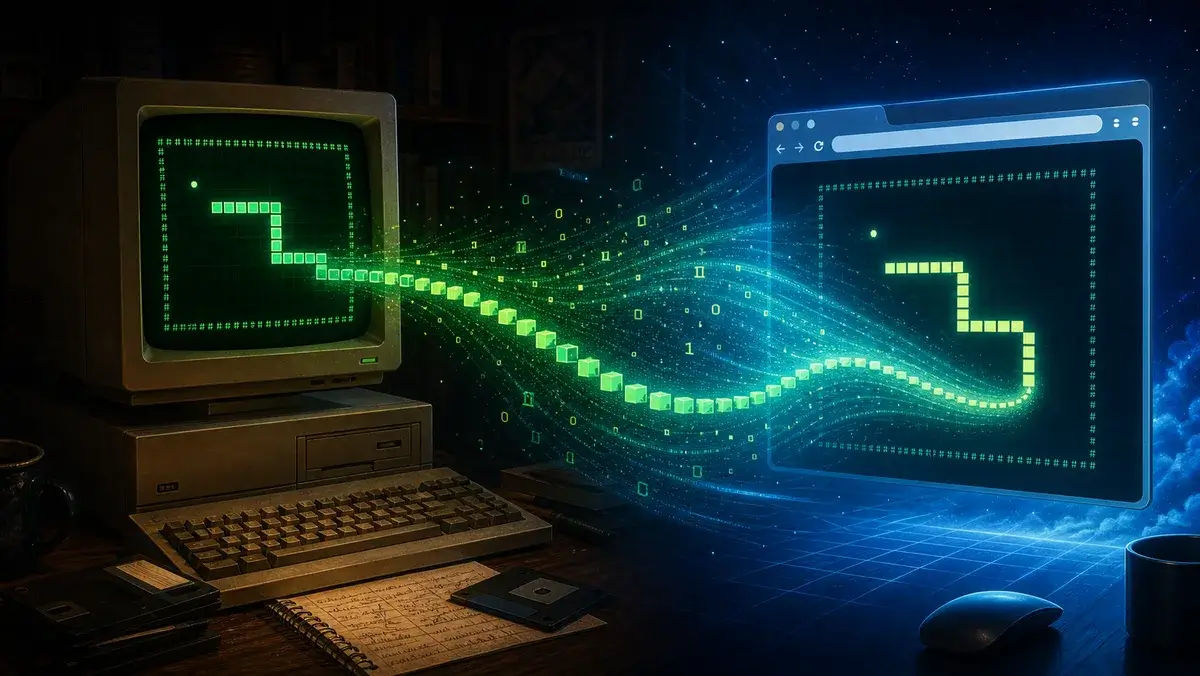
And it is still Sneekie. The same hearts, the same clubs, the same insolent smileys, the same stones that only move when shoved, the same mazes that punish greed — now lit, fogged, and prowled by glowing hazards on a slim modern monitor that stands right beside the old CRT. Flip the switch on the Play or Bot page — 1988 or 2026 — or jump straight into 2026. Two machines, one snake. Fable built the second one in a single long night, on the first try, and signed it the only honest way a machine can: by making it good.
The Snake Eternal
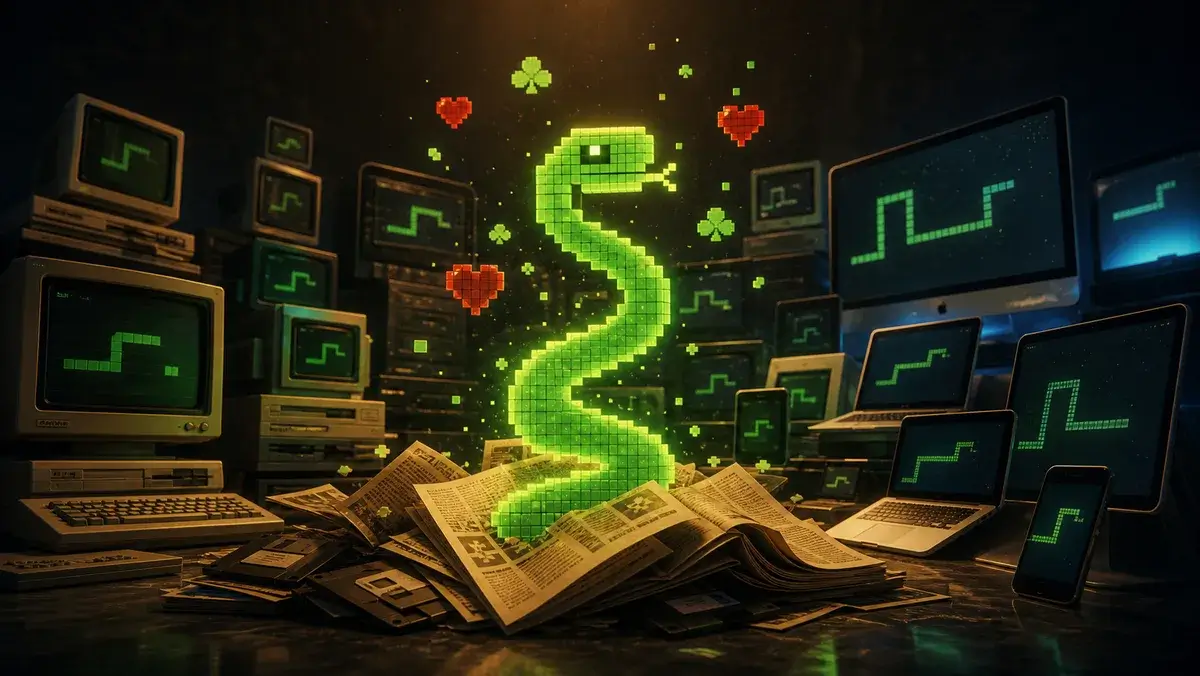
So Sneekie now lives in three times at once: 1988, where I wrote it; the printed page, where it slept; and 2026, where it runs faster and farther than its maker ever imagined. It still moves. It still eats hearts. It still punishes the impatient.
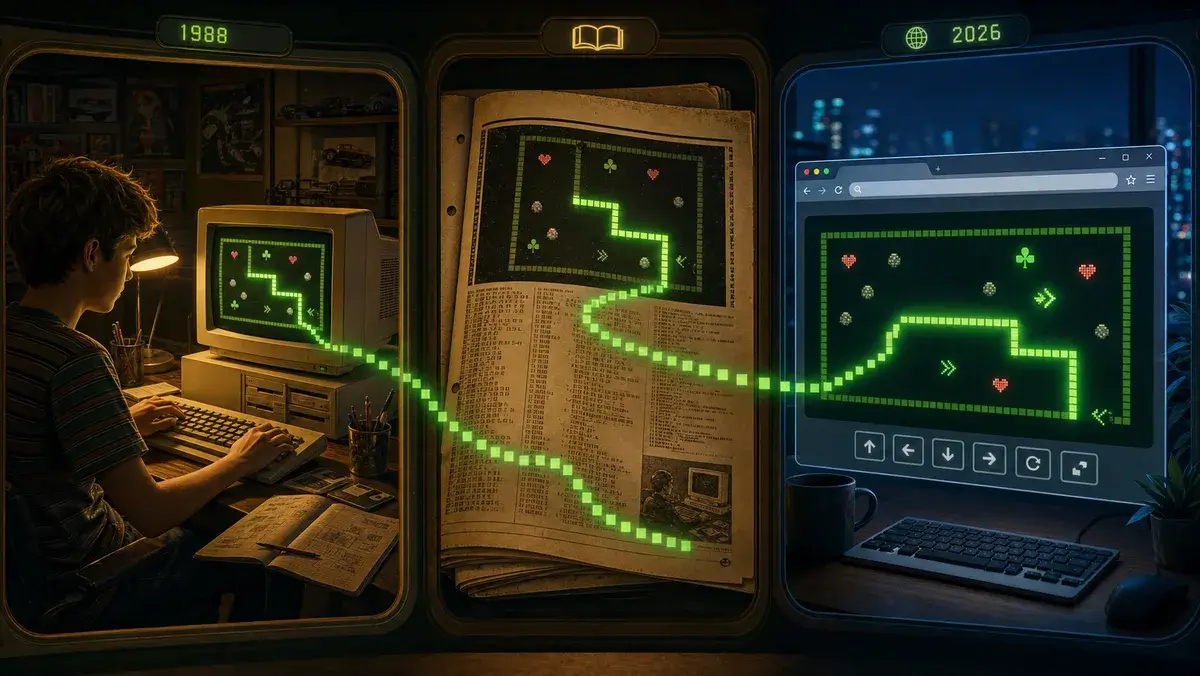
And somewhere between the magazine ink and the glowing browser canvas, the little snake I built looked out at all our modern machinery and made itself perfectly clear: all your base are belong to it.
▶ Play the gameSee the magazine scansRead the recovered source